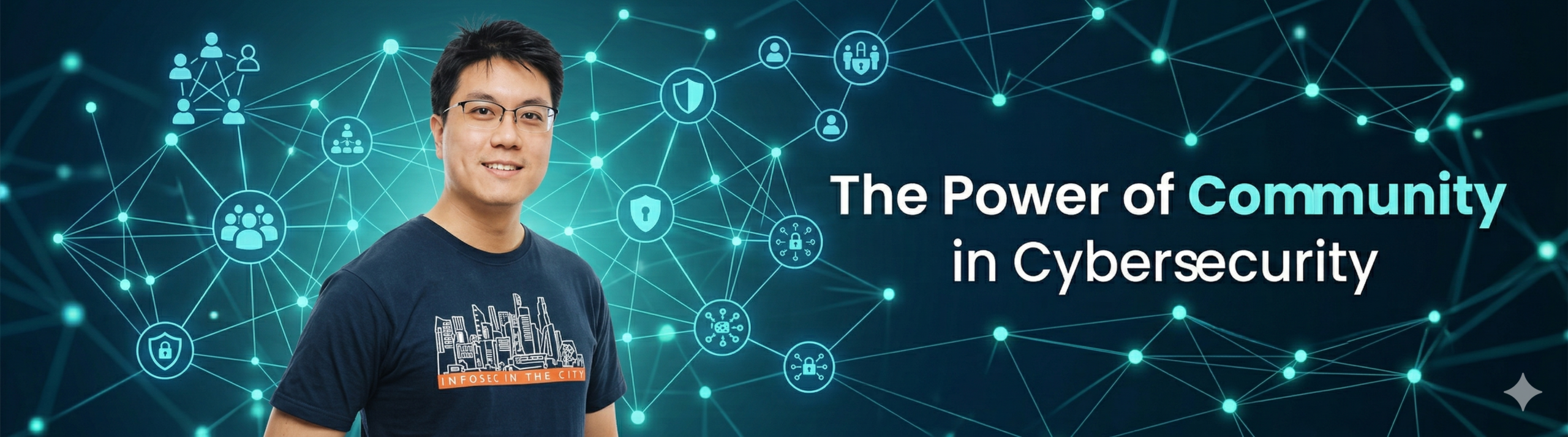
This was first published on LinkedIn following Emil Tan‘s presentation at the inaugural EVOLVE APAC webinar, held by OffSec in late 2024.
The field of cybersecurity is vast, dynamic, and constantly evolving, which means that no one person can master every aspect of it.
Emil Tan , a veteran cybersecurity consultant and the founder of the Division Zero (Div0) community shared an important lesson in his OffSec EVOLVE APAC presentation: cybersecurity is a team sport.
In this post, we will explore the importance of community in cybersecurity and how joining a cybersecurity network can accelerate your learning, provide mentorship, and create opportunities for career growth.
Whether you’re a student or just starting in the field, understanding the power of community can be a game-changer in your cybersecurity career.
1. Cybersecurity Is a Team Sport
One significant point Emil made during his talk is that cybersecurity is not an individual pursuit.
The challenges in cybersecurity are too vast for one person to handle alone. From threat intelligence to incident response, collaboration is essential.
Communities provide a platform for collective problem-solving. By working with others, you can leverage the expertise of people with different skill sets.
For example, someone specialising in network security can collaborate with someone who is an expert in application security to create a well-rounded team that can tackle complex problems together.
2. The Value of Shared Knowledge
In a field as fast-moving as cybersecurity, staying up-to-date with the latest threats, tools, and techniques can be overwhelming. No one can be an expert in everything.
This is where the power of community comes in.
Emil emphasised that being part of a community allows you to tap into the collective knowledge of others, accelerating your learning.
Communities provide a space for knowledge exchange, whether it’s through discussions, forums, or collaborative projects. By sharing your expertise and learning from others, you can stay informed about the latest trends and developments in the field.
3. Career Growth and Networking
One of the often-overlooked benefits of joining a cybersecurity community is the networking opportunities it provides.
Whether you’re just starting or are already established, being part of a community opens doors to new opportunities, mentorship, and collaboration.
“Some of the best opportunities I’ve had in my career came from the community. It’s not just about learning; it’s about building relationships,” Emil shared.
Networking within a community can lead to job referrals, collaboration on cybersecurity projects, and if you are inclined to do so, even speaking opportunities at conferences. It’s a way to make connections that can positively impact your career trajectory.
4. Support and Resilience
Burnout is a real risk in a demanding field like cybersecurity.
The pressure to stay ahead of the latest threats and the long hours often required during incidents can take their toll. Being part of a community provides emotional support and helps you stay resilient in the face of these challenges.
“Cybersecurity is tough, but being part of a community helps you stay grounded, keeps you motivated, and gives you the support you need to keep going,” Emil elaborated.
In addition to professional support, communities provide a space for cybersecurity professionals to share their experiences, vent frustrations, and offer encouragement to one another.
This sense of camaraderie goes a long way in helping you stay resilient in a challenging field.
5. Mentorship and Learning from Experts
Another valuable aspect of being part of a cybersecurity community is the access to mentorship.
Mentorship provides invaluable guidance, especially when navigating the early stages of your career. Communities often include professionals with years of experience who are willing to share their knowledge and help guide newer members.
Emil shared how, early in his career, he benefited from having mentors who helped him navigate the complexities of the cybersecurity industry. He wouldn’t be where he is today if not for the guidance of these community mentors who helped him avoid mistakes and pointed him in the right direction.
Whether it’s advice on career development, technical skills, or certifications, having a mentor can make a significant difference in your growth as a cybersecurity professional.
6. Openness to Collaboration and Contribution
One of the most rewarding aspects of joining a cybersecurity community is the opportunity to contribute.
Emil encouraged aspiring professionals to not only take from the community but to remember to give back by sharing their knowledge and skills.
“Find something you’re passionate about, and contribute to the community. You’ll be surprised how much you can learn by teaching others,” Emil advised.
Whether it’s writing blog posts, hosting workshops, or participating in discussions, contributing to the community helps reinforce your knowledge while also helping others. It’s a win-win situation that fosters both personal and professional growth.
7. How to Find the Right Cybersecurity Community
Now that you understand the value of being part of a community, the next step is finding the right one.
Whether it’s a local cybersecurity meetup group, an online forum like Reddit, or a larger professional organization like ISACA or CREST, there are many communities to choose from.
Emil advised that you start by exploring different groups, attending events, and engaging in discussions to find a community that feels like a good fit for you.
Conclusion
Like many other things in life, cybersecurity is not a solo endeavor.
By joining a community, you can accelerate your learning, gain access to mentorship, and build a network that will support you throughout your career. The power of community lies in collaboration, shared knowledge, and the opportunity to contribute to something bigger than yourself.
Emil Tan’s experience in building the Division Zero (Div0) community in Singapore highlights the immense value of being part of a cybersecurity network. Whether you’re just starting or are an experienced professional, being part of a community will help you stay informed, stay resilient, and grow in your career.